Mounting concerns over climate change and the quest for sustainable energy sources have catapulted wind power into the spotlight, igniting interest and investment worldwide.
As of 2023, the global wind energy sector has seen remarkable growth, driven by:
- Technological advancements
- Supportive government policies
This trend is evident in the increasing number of countries committing to net-zero emissions, where smart solutions in wind power are proving instrumental.
Wind energy’s appeal lies not only in its:
- Environmental benefits
- Ability to provide cost-effective and continuous power generation
As the market evolves, innovations in wind power such as:
- Offshore wind farms
- Vertical-axis wind turbines
emerge, promising to enhance efficiency and reduce reliance on fossil fuels.
This article explores the cutting-edge developments within the wind power industry, examining how these innovations are set to:
- Revolutionize energy systems
- Address global energy challenges
- Contribute to a more sustainable future
Atlas Copco plays a crucial role in this transformation by providing advanced equipment and solutions that support the efficient construction and maintenance of wind power infrastructure.
Current Landscape of Wind Power
The current landscape of wind power is characterized by rapid technological advancements and increasing global investments. Wind turbines have become pivotal in the renewable energy sector, playing a crucial role in the global quest for decarbonization.
As nations strive to meet ambitious climate goals, the demand for clean and sustainable energy sources has intensified, positioning wind power as a key contributor. Wind turbines, now more efficient and cost-effective than ever, harness kinetic energy from the wind and convert it into electricity, reducing reliance on fossil fuels. This transition significantly contributes to lowering carbon emissions, a critical step toward a sustainable future.
The global embrace of wind power reflects a collective commitment to environmental stewardship and energy security. Investments in wind energy infrastructure have surged, driven by both private and public sectors. This collaborative effort underscores the shared vision of a decarbonized world, where renewable energy sources are prioritized to ensure a healthier planet for future generations.
Government Support and Technological Advances
Governments worldwide are increasingly providing financial incentives and policy frameworks to accelerate technological advances in wind power. This strategic support aims to enhance the efficiency and productivity of wind turbines, thereby contributing to the broader adoption of renewable energy sources.
By fostering innovation, these initiatives play a critical role in the decarbonization of energy systems, addressing global environmental concerns, and aligning with international climate targets.
Investment in research and development is encouraged through tax credits and grants, facilitating advancements in turbine design and materials. Such efforts lead to:
- Increased energy output
- Reduced costs
These advancements make wind power more competitive with traditional energy sources. Policy frameworks further ensure that regulatory environments are conducive to the deployment of cutting-edge technologies.
In addition, collaborative efforts between governments, industry stakeholders, and research institutions are essential in driving technological breakthroughs. These partnerships:
- Propel wind power advancements
- Cultivate a sense of community
- Foster a shared purpose in the transition to a sustainable energy future
Role in Achieving Net-Zero Emissions
Harnessing wind power plays a crucial role in reducing carbon emissions and advancing towards net-zero goals. As societies increasingly prioritize sustainable practices, wind turbines stand at the forefront of renewable energy solutions.
Key Benefits of Wind Turbines:
- Their capacity to convert wind into electricity without releasing harmful pollutants makes them vital in the global shift towards decarbonization.
- The deployment of wind turbines contributes significantly to reducing reliance on fossil fuels, which is essential for achieving net-zero emissions targets.
Wind Energy as a Cornerstone:
- Offers a viable pathway for communities striving to minimize their carbon footprint.
- By expanding wind power infrastructure, energy systems become more resilient and less dependent on carbon-intensive sources.
This transition not only supports environmental goals but also fosters a sense of shared responsibility among communities, uniting them in the fight against climate change.
As wind power continues to evolve, its role in energy portfolios will be indispensable for ensuring a cleaner, more sustainable future for all.
Environmental and Economic Advantages
The widespread adoption of wind power offers significant environmental and economic benefits, reducing greenhouse gas emissions while creating jobs and stimulating local economies.
Environmental Benefits:
-
Wind turbines, as integral components of renewable energy infrastructure, contribute substantially to the process of decarbonization.
-
By harnessing wind energy, communities can significantly lower their carbon footprints, aligning with global efforts to combat climate change.
-
This clean energy source preserves natural ecosystems by reducing reliance on fossil fuels and enhances air quality, benefiting public health.
Economic Benefits:
-
Wind power projects stimulate job creation in construction, manufacturing, and maintenance sectors.
-
The increased demand for skilled labor fosters workforce development and economic resilience.
-
Local governments often receive increased tax revenues from wind farms, which can be reinvested into community services and infrastructure, further promoting regional growth.
The strategic implementation of wind power solutions represents a pathway to a sustainable future, offering environmental stewardship and economic vitality to communities worldwide.
Advancements in Wind Power Technology
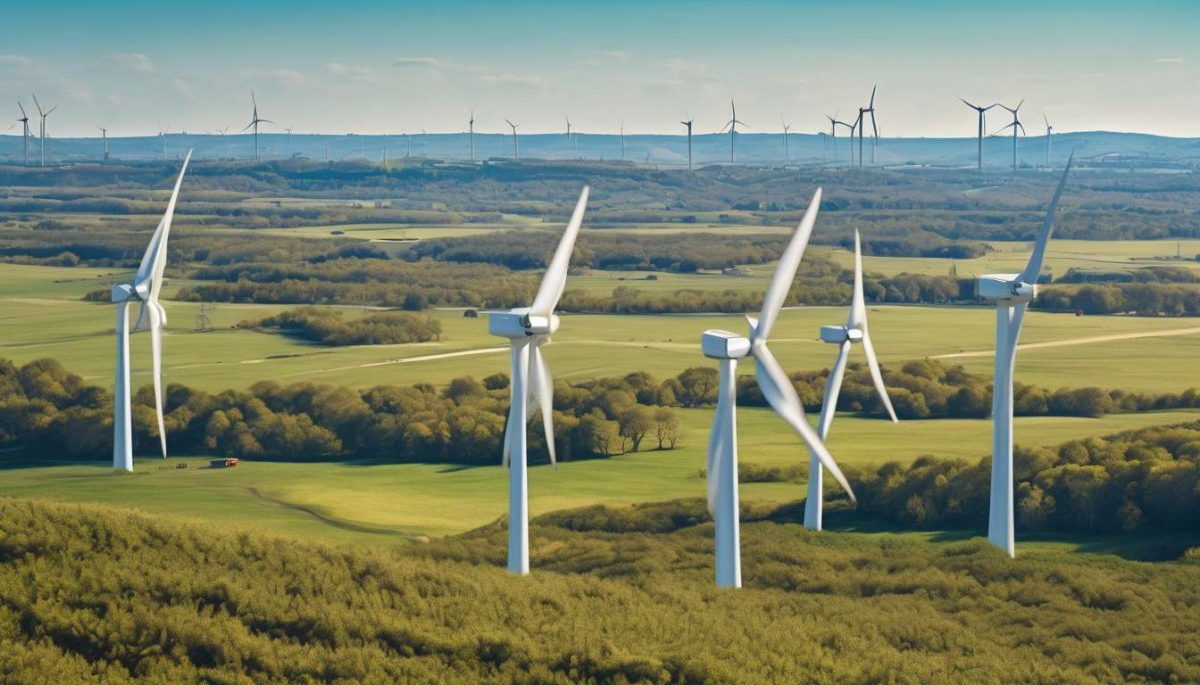
Recent breakthroughs in wind power technology have significantly enhanced energy efficiency and turbine performance. The development of larger and more efficient wind turbines plays a crucial role in harnessing renewable energy to meet global demands.
Innovations contributing to this advancement include:
- Advanced aerodynamics
- Lightweight materials
- Improved blade designs
These innovations have led to increased electricity generation and reduced operational costs. They are essential not only for optimizing energy output but also for supporting decarbonization efforts worldwide.
Digitalization and smart grid integration further advance the capabilities of wind energy systems. Key features include:
- Intelligent monitoring and data analytics
- Predictive maintenance, minimizing downtime
- Extended lifespan of wind turbines
These advancements ensure a consistent energy supply and greater reliability of renewable energy sources.
Offshore wind farms benefit particularly from innovations such as:
- Floating platforms, which allow access to stronger and more consistent wind resources, thus enhancing energy production.
Collectively, these advancements in wind power technology foster a more sustainable energy future. They align with global efforts to reduce carbon emissions and promote clean energy solutions.
Impact on Global Energy Transition
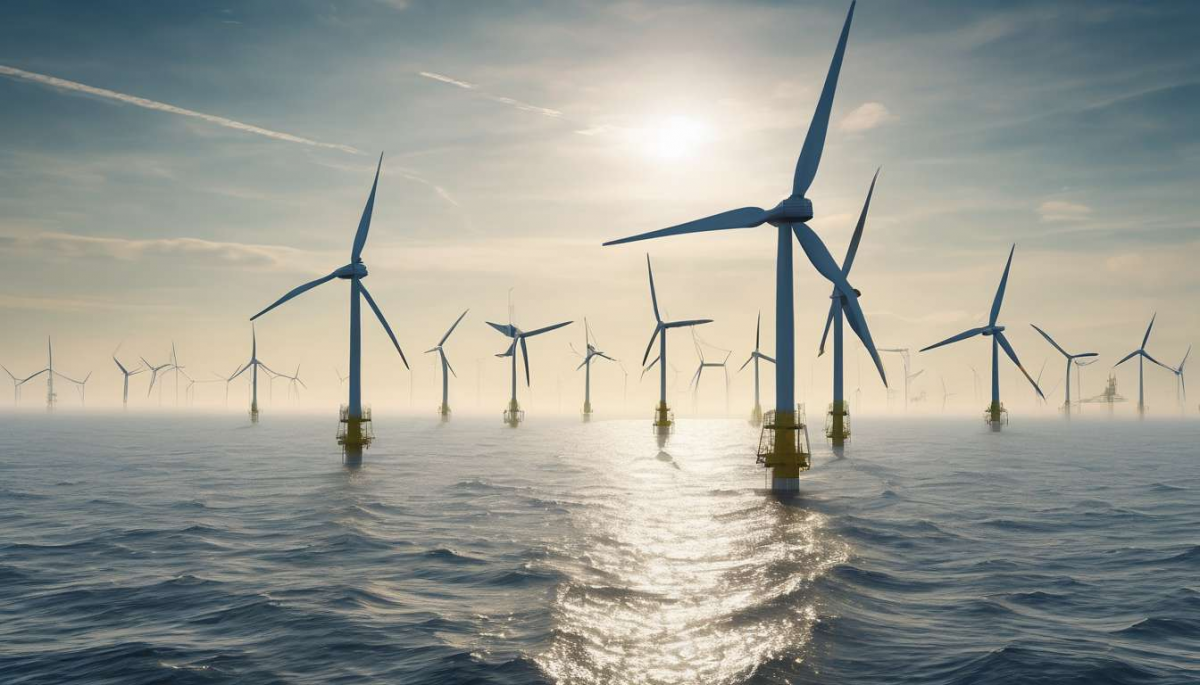
The increasing adoption of advanced wind power technologies plays a pivotal role in accelerating the global shift towards sustainable energy systems. As the world seeks to address climate change, wind turbines serve as critical components in the portfolio of renewable energy sources.
These technologies contribute to decarbonization efforts by:
- Reducing reliance on fossil fuels
- Lowering greenhouse gas emissions
The deployment of wind energy not only supports environmental objectives but also aligns with global economic growth by:
- Creating jobs
- Fostering energy independence
The integration of wind power into energy grids enhances stability and resilience, providing a consistent supply of electricity. This advancement contributes to a more robust energy transition, ensuring that communities worldwide can access clean and affordable power.
The collaborative effort among nations to harness wind energy signifies a united commitment to a sustainable future. By embracing wind power, societies move closer to:
- Achieving climate goals
- Fostering a sense of global belonging
- Sharing responsibility for the planet